Planning your perfect visit to Edinburgh, the storied capital of Scotland, is an exercise in choosing between layers of history, breathtaking landscapes, and a world-class cultural scene. Often referred to as the “Athens of the North,” this city is a rare gem where a medieval Old Town and a neoclassical New Town exist in harmonious contrast, both recognized as UNESCO World Heritage sites. From the dark, narrow “closes” (alleyways) that whisper tales of the past to the grand, sweeping vistas from the top of an extinct volcano, Edinburgh offers an atmosphere that is both cozy and cinematic.
Whether you are navigating the cobblestones of the Royal Mile or exploring the trendy docks of Leith, the city’s compact nature makes it one of the most walkable and rewarding destinations in Europe. This guide is designed to help you sift through the endless possibilities, providing the essential tips and insights needed to craft an unforgettable Scottish adventure. Prepare to be enchanted by a city that feels like a living museum, yet beats with the vibrant energy of a modern global capital.
History & Culture of Edinburgh
The history of Edinburgh is a dramatic saga of kings, enlightenment thinkers, and industrial pioneers. Understanding its past is key to appreciating the unique character of the city today.
A Tale of Two Towns
The city is physically and historically divided into two main parts. The Old Town dates back to the medieval era, characterized by its towering tenement buildings and labyrinthine streets that were once home to thousands of residents living in cramped, vertical quarters. In contrast, the New Town was developed in the late 18th century as an escape for the wealthy. It features the grand symmetry of Georgian architecture, wide boulevards, and lush private gardens, reflecting the order and rationalism of the Scottish Enlightenment.
The Intellectual Heart
During the 18th century, Edinburgh became a global powerhouse of thought. Figures like David Hume and Adam Smith transformed the city into a center for philosophy, economics, and science. This intellectual legacy continues today through its prestigious university and its status as the world’s first UNESCO City of Literature. From the gothic Scott Monument to the numerous independent bookshops, the city’s love for the written word is evident at every corner.
Modern Cultural Identity
Today, Edinburgh’s culture is perhaps best defined by its status as the “Festival City.” Every August, it hosts the Edinburgh International Festival and the Festival Fringe, the largest arts festival in the world. However, the culture isn’t just about big events; it is found in the warmth of a local pub, the haunting sound of bagpipes echoing off stone walls, and the proud preservation of Scots traditions like Hogmanay (New Year’s Eve) and Burns Night.
What Edinburgh Is Famous For
What makes Edinburgh a bucket-list destination for travelers from across the globe? Its fame rests on several iconic pillars.
The Majestic Edinburgh Castle
Dominating the skyline from its perch on Castle Rock, the fortress is Scotland’s most famous landmark. It has served as a royal residence, a military garrison, and a prison. Today, it houses the Honours of Scotland (the Crown Jewels) and the Stone of Destiny, symbols of Scottish sovereignty.
The World’s Largest Arts Festival
For three weeks every August, the city undergoes a metamorphosis. The Edinburgh Festival Fringe sees thousands of performers—from world-famous comedians to experimental theater troupes—take over every available space, from established theaters to tiny basements and street corners.
Harry Potter Connections
Fans of the wizarding world flock to Edinburgh to see the locations that inspired J.K. Rowling. Victoria Street is widely believed to be the inspiration for Diagon Alley, and the Greyfriars Kirkyard contains names on tombstones that fans will find suspiciously familiar, including a certain Thomas Riddell.
Hauntings and Ghost Stories
Edinburgh is often cited as one of the most haunted cities in the world. Its dark history of plagues, body snatchers, and public executions has left behind a legacy of “spooky” tourism, including tours of the underground vaults and the eerie Mary King’s Close.
Things to Do in Edinburgh
A visit to Edinburgh is never complete without engaging in these essential activities.
Hike to Arthur’s Seat
For the best panoramic view of the city and the Firth of Forth, head to Holyrood Park and hike up Arthur’s Seat. This extinct volcano sits 251 meters above sea level and provides a rugged, highland feel just minutes away from the city center.
Explore the Royal Mile
Connecting Edinburgh Castle to the Palace of Holyroodhouse, the Royal Mile is the spine of the Old Town. While it can be touristy, exploring its “closes” (hidden courtyards) reveals the true medieval heart of the city. Look out for the Heart of Midlothian mosaic outside St Giles’ Cathedral—locals often spit on it for good luck!
Discover the National Museum of Scotland
This world-class museum is free to enter and offers a deep dive into Scottish history, nature, and technology. Don’t miss the “Grand Gallery” with its soaring birdcage structure and the rooftop terrace for a hidden, 360-degree view of the city.
Experience a Whisky Tasting
You cannot visit the capital of Scotland without sampling its national drink. The Scotch Whisky Experience at the top of the Royal Mile offers a fantastic introduction, or you can visit one of the city’s many specialized whisky bars, like the Bow Bar or Devil’s Advocate.
Places to Visit in Edinburgh
Beyond the main tourist trail, there are several neighborhoods and sites in Edinburgh that deserve a spot on your itinerary.
Dean Village
Once a grain-milling village, this picturesque oasis is located along the Water of Leith. It feels worlds away from the city’s bustle, with its yellow stone buildings and tranquil river paths. It is arguably the most “Instagrammable” spot in the city.
The Royal Botanic Garden
Located in Inverleith, these gardens offer 70 acres of peace and beauty. It is home to a world-renowned collection of plants and provides a stunning view of the skyline from the Chinese Hillside.
Leith and the Royal Yacht Britannia
Head north to the port of Leith, a trendy area filled with Michelin-starred restaurants and cool cafes. While there, you can tour the Royal Yacht Britannia, the former floating residence of Queen Elizabeth II, which is consistently voted one of the UK’s best attractions.
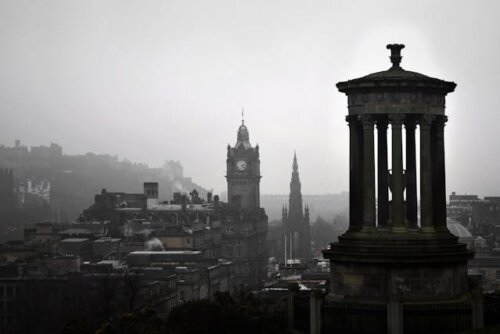
Calton Hill
If you want the iconic “postcard” shot of Edinburgh, Calton Hill is the place to be. It is home to several monuments, including the unfinished National Monument, and offers a perfect vantage point to watch the sunset over the city.
Travel Guide to Edinburgh
Navigating Edinburgh is relatively straightforward, but these practical details will help you optimize your trip.
Best time to visit Edinburgh
-
Spring (May to June): This is often considered the “sweet spot.” The weather is generally drier, the gardens are in bloom, and the crowds are manageable.
-
Summer (August): Best for festival lovers. The city is electric with energy, but accommodation prices skyrocket and the streets are very crowded.
-
Autumn (September to October): A beautiful time to see the city’s many trees change color. The atmosphere is cozy and perfect for museum hopping.
-
Winter (December): Edinburgh does Christmas and New Year (Hogmanay) better than almost anywhere else. Expect festive markets and a massive street party.
How to reach Edinburgh
-
By Air: Edinburgh Airport (EDI) is well-connected to major cities in Europe and North America. The tram or the Airlink 100 bus can take you to the city center in about 30 minutes.
-
By Train: Edinburgh Waverley is the main station, located right between the Old and New Towns. It offers direct links to London (approx. 4.5 hours) and Glasgow (50 minutes).
-
By Bus: The central bus station at St Andrew Square connects Edinburgh to the rest of Scotland and the UK via Megabus and National Express.
Entry fees and ticket details
Most of the city’s major museums (National Museum of Scotland, National Gallery) are free, though they may charge for special exhibitions. For paid attractions like Edinburgh Castle or the Palace of Holyroodhouse, it is highly recommended to book online in advance, as time slots often sell out weeks ahead during peak season.
Local food, cuisine, or specialties
-
Haggis, Neeps, and Tatties: The national dish of Scotland, made of savory meat pudding, turnips, and potatoes.
-
Cullen Skink: A thick, creamy smoked haddock soup.
-
Shortbread: A buttery, crumbly biscuit that makes for a perfect souvenir.
-
Afternoon Tea: Many luxury hotels and cafes in the New Town offer exquisite afternoon tea services.
Accommodation options
-
Luxury: The Balmoral Hotel (with its iconic clock tower) or the Waldorf Astoria – The Caledonian.
-
Mid-Range: Look for boutique hotels in the West End or Stockbridge, such as the Raeburn or Kimpton Charlotte Square.
-
Budget: There are several high-quality hostels in the Old Town, or you can look for apartments in Leith for more space at a lower cost.
Travel Tips for Edinburgh
-
Pack Layers: The Scottish weather is notoriously unpredictable. It is not uncommon to experience “four seasons in one day,” so bring a waterproof jacket regardless of the forecast.
-
Comfortable Shoes: Between the cobblestones and the hills, your feet will take a beating. Leave the heels at home.
-
Walk Everywhere: Edinburgh is a compact city. Most of the top sights are within a 20-minute walk of each other.
-
Tap Water is Gold: Scottish tap water is among the best in the world. Carry a reusable bottle and skip the plastic.
-
Book Restaurants: If you have your heart set on a specific restaurant, especially in the Old Town or Leith, book at least a week in advance.
-
Currency: While major cards are accepted everywhere, it’s handy to have a few pounds for small independent shops or markets. Note that Scottish banknotes look different from English ones, but they are legal tender throughout the UK.
FAQs
Is Edinburgh a safe city for solo travelers?
Edinburgh is consistently ranked as one of the safest cities in the United Kingdom. Whether you are exploring the city center during the day or walking back to your hotel at night, the atmosphere is generally very secure. Standard urban precautions apply, such as staying aware of your surroundings in crowded areas to avoid pickpockets.
Do I need a car to get around Edinburgh?
No, a car is actually a hindrance in Edinburgh. The city center is compact and very walkable, and public transport via buses and trams is excellent. Parking is expensive and difficult to find. A car is only recommended if you plan on taking day trips into the Scottish Highlands.
How many days should I spend in Edinburgh?
To see the main highlights without rushing, three full days is the ideal duration. This allows you one day for the Old Town and Castle, one day for the New Town and a hike, and a third day for a neighborhood like Leith or a museum visit.
Is the tap water safe to drink in Edinburgh?
Yes, the tap water in Edinburgh is not only safe but is considered some of the highest quality drinking water in the world. It comes from natural sources in the Scottish hills. You can save money and reduce plastic waste by refilling a reusable water bottle.
Is Edinburgh expensive for tourists?
Edinburgh can be expensive, particularly in August and December. However, it is very possible to visit on a budget. Many of the top attractions, including the National Museum and the major art galleries, are free. Eating at local pubs or picking up food at markets like Stockbridge can also save money.
What is the correct way to pronounce Edinburgh?
International visitors often struggle with the pronunciation. It is not “Edin-burg” or “Edin-borrow.” The correct local pronunciation is “Ed-in-bruh” or “Ed-in-bur-rah,” with a very soft “h” at the end. Getting this right is a great way to endear yourself to the locals!
Is everything open on Sundays in Edinburgh?
Most shops, museums, and attractions in Edinburgh are open on Sundays, though some may have slightly shorter operating hours (typically 10:00 AM to 5:00 PM or 6:00 PM). Restaurants and pubs remain fully operational, and Sunday is actually the best day to visit the famous Stockbridge Market.
What should I wear for a night out in Edinburgh?
Edinburgh has a relaxed but stylish dress code. Most pubs and mid-range restaurants are happy with “smart-casual” attire. However, if you are visiting high-end cocktail bars or Michelin-starred restaurants, you may want to dress up slightly. Always remember to bring a coat, as the wind can be biting at night.
Can I see the Northern Lights in Edinburgh?
While it is possible to see the Aurora Borealis in Edinburgh, it is rare due to the city’s light pollution. Your best chance is on a very clear winter night with high solar activity. Locations like Calton Hill or the beaches at Portobello offer the best dark-sky vantage points nearby.
Is Edinburgh wheelchair accessible?
While the medieval Old Town with its steep hills and cobblestones presents challenges, the city has made great strides in accessibility. Most public buses and all trams are low-floor and wheelchair-friendly. Major attractions like Edinburgh Castle also offer mobility vehicles to help visitors reach the higher parts of the fortress.
I am a passionate freelance web designer dedicated to crafting high-converting, beautiful websites that help businesses thrive. Deeply inspired by my experiences as a nature lover and traveler, I bring a fresh, creative perspective to every project. Currently based in the UK, I draw inspiration from its stunning landscapes to design clean, modern, and user-friendly digital experiences. Whether you are a startup or an established brand, I provide professional web design services at a reasonable price. Let’s collaborate to turn your vision into a stunning reality. Contact me today to start your digital journey!
Sorry, no records were found. Please adjust your search criteria and try again.
Sorry, unable to load the Maps API.